Raising Cornish Cross Chickens for Meat: A Rewarding Journey from Chicks to Freezer
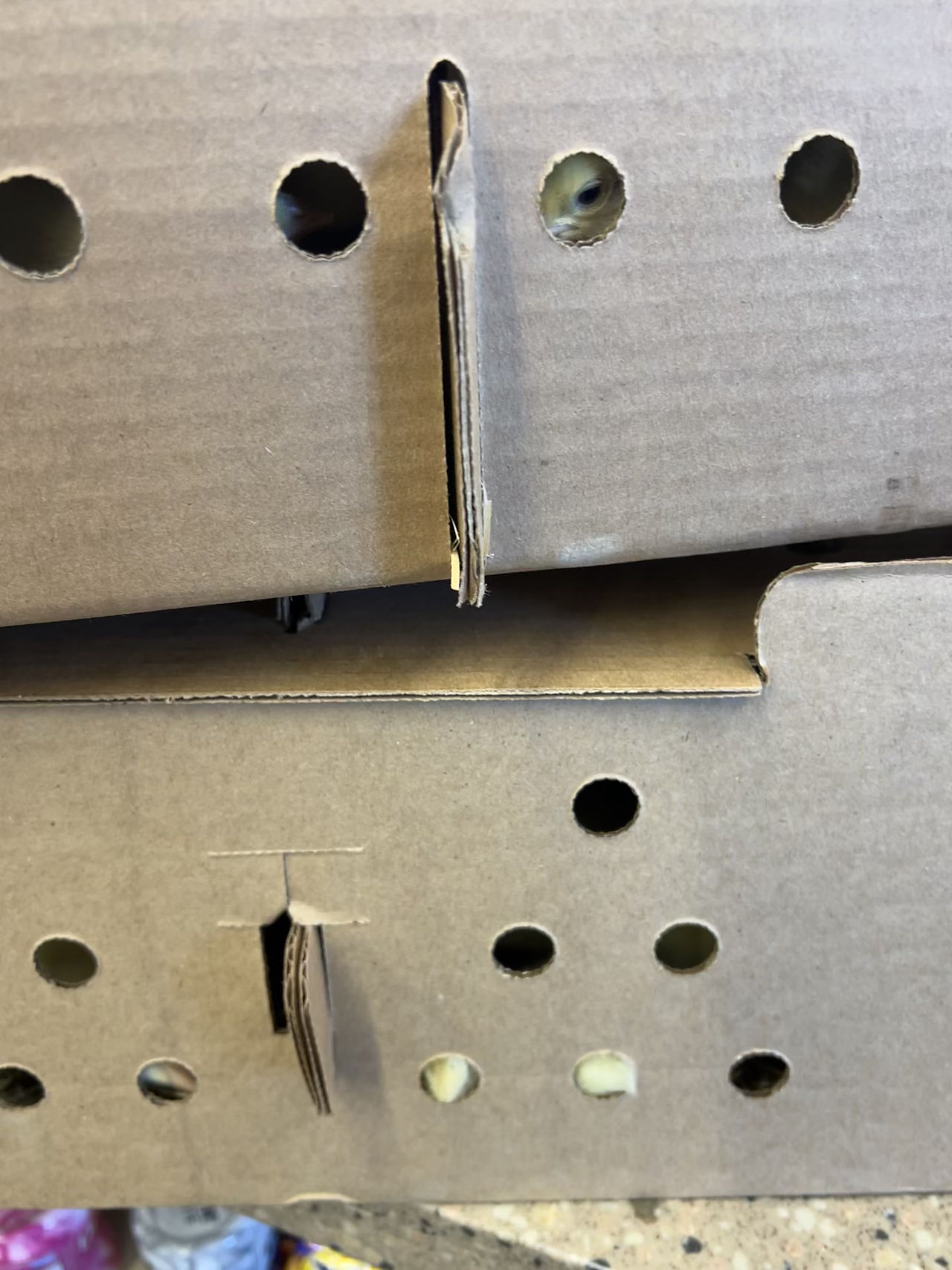
Bringing home 20 fuzzy yellow chicks on a chilly April day felt like a leap of faith. Snow still blanketed the ground, and nighttime temperatures were well below zero. These chicks, born just two days earlier, had traveled in a cold truck packed tightly in a box. I worried if my single heat lamp would keep them warm enough. Yet, with a thick layer of shavings for bedding and their own body heat, they thrived through the first week. My second season of raising Cornish Cross chickens, a breed known for rapid growth and tender meat, was well underway.


Choosing Cornish Cross Chickens for Meat
Cornish Cross chickens are bred specifically for meat production. Their rapid growth rate means they reach maturity in just 6 to 7 weeks, much faster than heritage breeds. This development allows for a shorter raising period and a quick supply of fresh chickens for the freezer.
The physical changes in these birds are striking. They start as soft, downy fluff, which soon molts into white feathers. Their bodies grow so quickly that they often struggle to get up and move around. This rapid growth demands plenty of food and water to support their expanding size.
Preparing for the First Week
The first week is critical for chick survival, especially when outdoor conditions are harsh. Here are some key steps that helped my chicks thrive:
Heat Source: A single heat lamp provided warmth, but the deep bedding of shavings was essential to trap heat and keep the chicks comfortable. If I were raising more than 20 birds, another heat source would be needed.
Bedding: A thick layer of shavings not only insulated the floor but also absorbed moisture, keeping the coop dry.
Body Heat: The chicks huddled together, sharing warmth and reducing heat loss.
Monitoring: Regular checks ensured no chick was left behind or showing signs of distress.
Despite the cold start, all chicks survived the first week, which was a relief and a good sign for the weeks ahead.
Feeding and Watering the Growing Birds
Cornish Cross chickens eat and drink a lot. Their rapid growth means they need constant access to food and water. Here’s what worked well:
Feed: High-protein starter feed designed for meat birds supported muscle development.
Water: Multiple waterers ensured all birds could drink without crowding.
Extra Supplies: Having extra bags of feed on hand prevented any shortages during busy days.
As the birds grew, their appetite increased dramatically. It’s important to keep feeders full and water fresh to maintain their health and growth rate. Chickens are messy eaters. Providing food in a container up off the ground, reduced the mess they were able to make.
Challenges Along the Way
Raising meat birds comes with some losses, which is normal. During this flock’s growth, a few challenges arose:
One chick never grew properly and had to be removed.
A couple of birds died as they aged, which can happen due to health or environmental factors.
One night, a power outage in the coop cut off the heat lamp, causing a death.
These setbacks are part of the process. Being prepared and attentive helps minimize losses, but some are inevitable when raising fast-growing meat birds.
Processing Day: Turning Birds into Food
Processing day arrived on May 31, about six weeks after bringing the chicks home. Having done this once before, I felt more confident and organized this season. Friends joined to help, making the day efficient and fun.
Key elements for a smooth processing day included:
Preparation: Setting up all stations ahead of time saved time the day of.
Sharp Knife: A very sharp knife made clean cuts-I prefer my HAVALON knife for size and ease of blade changes as needed. But I warn you, they are SHARP!!!
Water Baths: A large pot of hot water loosened feathers without scalding the skin. Cold water bath to quickly lower temperature post processing.
Chicken Plucker: This tool sped up feather removal significantly. 20-30 seconds spinning in the tub and feathers come right off. Ask your local Butcher shop or abattoir if they rent one-that's what I do.
Together, we processed 16 chickens in under two hours. Fun way to spend a sunny Saturday.
Storing and Using the Meat
This year, I decided to piece out most of the chickens instead of keeping them whole. This approach offers several benefits:
Convenience: Ready-to-cook pieces like breasts and thighs make meal prep easier.
Variety: Different cuts allow for diverse recipes.
Portion Control: Smaller pieces fit better in meals for varying family sizes.
A few whole chickens were saved for special Sunday dinners, as requested by my kids. Now, the freezer is stocked with fresh, delicious chicken raised with care. Knowing exactly how the birds were raised and treated adds satisfaction to every meal. I love when my kids ask 'is this one of our chickens?'
Tips for Raising Cornish Cross Chickens Successfully
If you’re considering raising meat birds, here are some practical tips based on my experience:
Start Early: Order chicks when outdoor temperatures are milder and prepare a warm indoor brooder.
Heat Management: Use heat lamps and deep bedding to maintain warmth.
Feed and Water: Provide constant access to high-quality feed and clean water.
Space: Give birds enough room to move as they grow to prevent overcrowding.
Health Checks: Monitor daily for signs of illness or distress.
Processing Prep: Plan processing day carefully with all tools and helpers ready.
The Reward of Raising Your Own Meat Birds
Raising Cornish Cross chickens is a hands-on way to connect with your food. Watching the chicks grow from fragile fluff balls into plump birds ready for the freezer is satisfying. The process requires attention, patience, and care, but the payoff is fresh, flavorful chicken raised on your terms.
YUM

Comments